

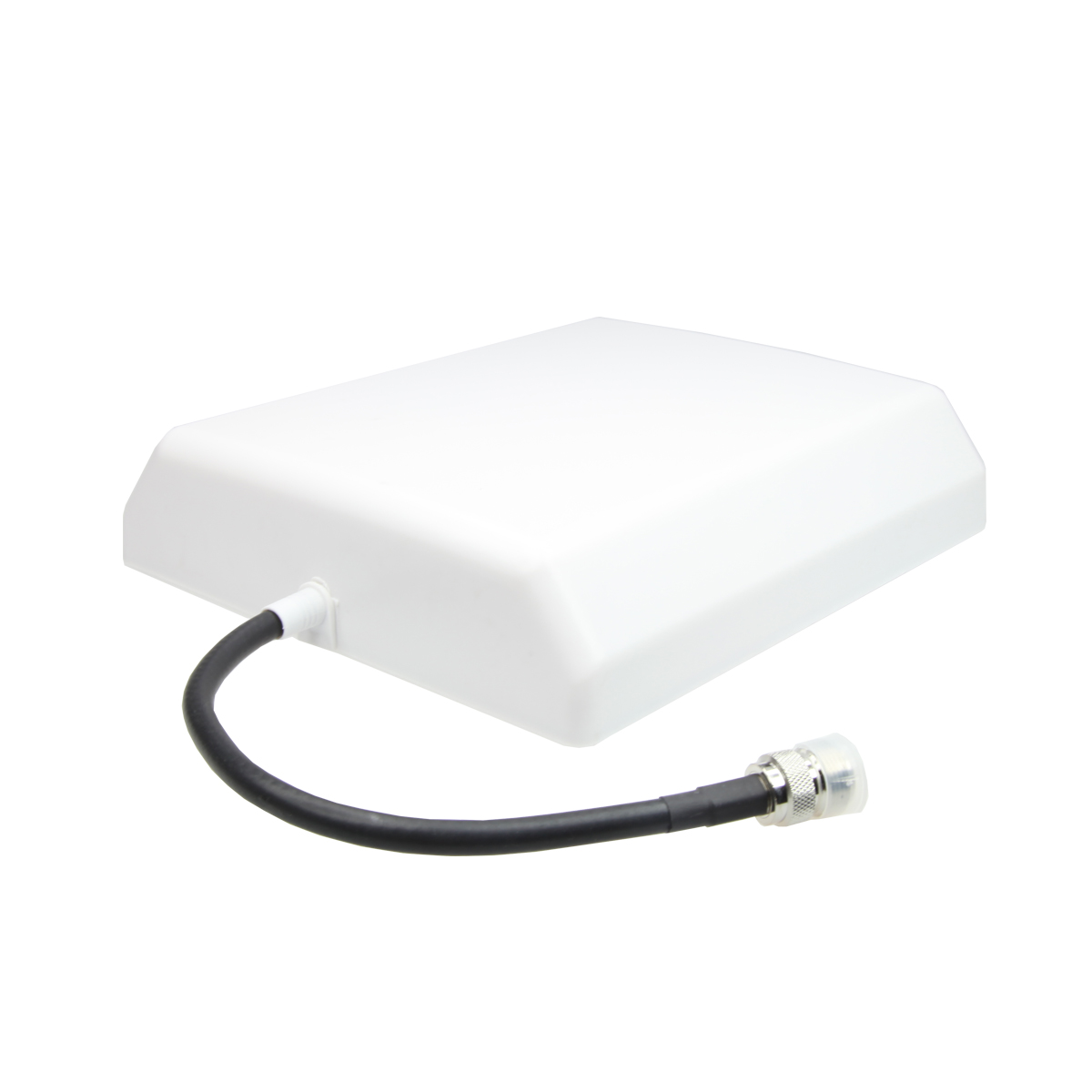

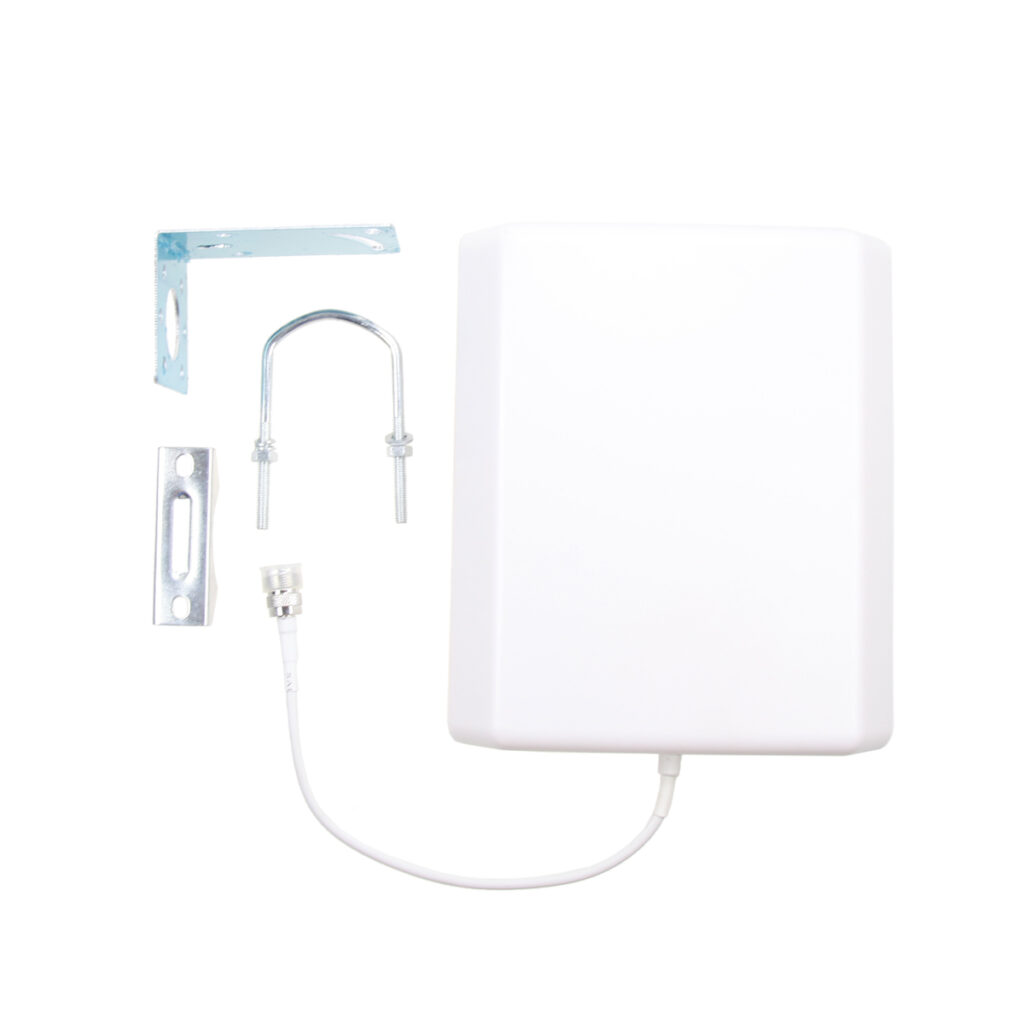
Panel Antenna: The Strategic Advantage in Signal Boosting
Panel Antenna technology remains one of the most effective and commercially reliable methods for improving weak indoor cellular coverage. In high-density office spaces, warehouses, estates, retail stores, and residential properties, signal instability translates into lost productivity, failed calls, interrupted data sessions, and frustrated users. A properly deployed Antenna addresses these gaps with precision.
Unlike omnidirectional antennas that broadcast signal in all directions, a Panel Antenna is directional. It focuses energy in a defined path, delivering greater gain and stronger performance within targeted coverage zones. Compared to a traditional Yagi antenna — which has a narrower beam — a Panel Antenna typically offers a wider directional spread, making it ideal for controlled indoor coverage expansion.
Why a Panel Antenna Delivers Higher Gain Performance
Gain determines how effectively an antenna can transmit and receive signal. A high-gain aerial concentrates radio frequency energy into a broader but still directed pattern, allowing it to:
- Capture weaker outdoor signals more efficiently
- Project amplified signal deeper into indoor areas
- Reduce dead zones and dropped calls
- Improve LTE and 5G data stability
This makes it particularly valuable as the internal antenna in a professional cell phone signal booster system. Once the amplifier strengthens the incoming signal, the antenna distributes that signal strategically into previously underperforming areas.
In commercial deployments, this targeted approach often delivers superior performance compared to centrally placed omnidirectional antennas.
Panel Antenna vs Yagi and Omni Antennas
Understanding antenna selection is critical for system performance.
- Yagi Antenna: Highly directional with narrow beam. Best for capturing distant outdoor tower signals.
- Omnidirectional Antenna: Radiates signal in all directions. Suitable for central, small-area coverage.
- Panel Antenna: Directional with wider beam than Yagi. Ideal for structured indoor signal distribution.
For external installations, a Yagi antenna is often recommended to pull signal from a distant tower. Internally, a Panel Antenna typically outperforms omni alternatives because its higher gain allows more efficient signal projection into targeted coverage areas.
Selecting the wrong antenna reduces system effectiveness, regardless of amplifier strength.
Strategic Placement of a Panel Antenna for Maximum Coverage
Placement determines performance. There are two primary installation strategies that consistently deliver results:
1. Wall-Mounted Forward Projection
In long, narrow rooms or corridors, mounting this Antenna on a short wall facing the extended area produces strong, directional coverage along the entire length. This configuration maximizes forward signal reach and minimizes wasted radiation.
2. Ceiling-Mounted Downward Configuration
For larger open spaces or multi-level coverage, ceiling installation pointing downward provides broader signal distribution. Radio frequency energy reflects off floors and interior walls, extending the effective coverage footprint.
In open-plan environments, a single properly positioned Panel can cover approximately 4,000 to 5,000 square feet. Coverage varies depending on building materials, partitions, and interference sources.
Frequency Compatibility and System Integration
A Panel Antenna must match the operating frequencies of the signal booster amplifier. Cellular networks operate across multiple bands — including GSM, 3G, LTE 4G, and 5G. Installing a frequency-incompatible antenna will significantly reduce performance.
When assembling a system, ensure the antenna supports the same frequency bands as the amplifier. Professional installers always verify compatibility before deployment.
Commercial Value of Panel Antenna Systems
For businesses, signal reliability directly impacts revenue. Retail transactions, VoIP communication, logistics coordination, and cloud-based operations all depend on stable connectivity.
A high-quality Panel Antenna integrated into a properly engineered booster system reduces:
- Missed calls
- Slow transaction processing
- Data interruptions
- Customer dissatisfaction
In enterprise environments, the return on investment from stabilized connectivity can be substantial.
Final Verdict: Panel Antenna as a Smart Infrastructure Upgrade
Connectivity is no longer optional — it is operational infrastructure. A well-positioned Panel Antenna transforms weak, unreliable cellular reception into stable, high-performance indoor coverage. When correctly specified, matched to the appropriate frequency bands, and strategically installed, it delivers measurable improvements in call quality and mobile data throughput.
For property owners, facility managers, and enterprise operators, investing in the right antenna configuration is not about gadgets — it is about protecting communication continuity. In today’s coverage-dependent economy, precision signal distribution through a high-gain Panel Antenna is a decisive advantage.