

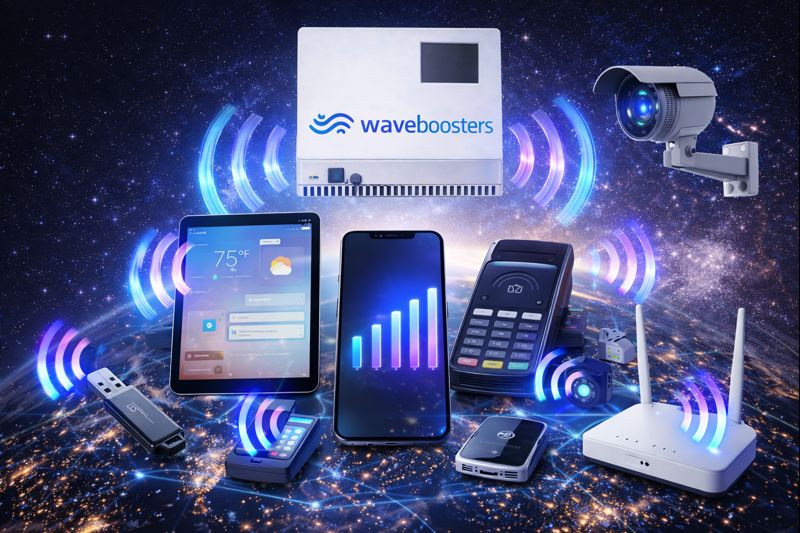

In an era dominated by cloud computing, remote work, and hyper-connected lifestyles, one technology continues to quietly power global communication without compromise: SIM-enabled devices. While Wi-Fi has expanded dramatically across homes, offices, and public spaces, it has not replaced the need for independent, carrier-based connectivity. Instead, SIM-enabled technology has become even more valuable, forming the backbone of modern mobility, security, and digital infrastructure.
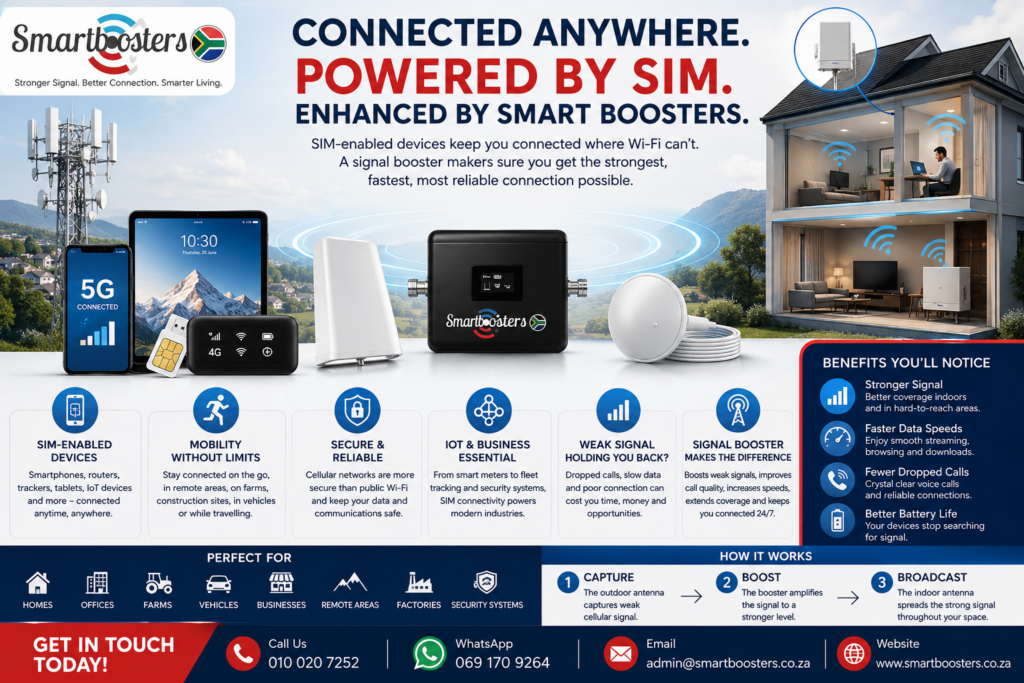
From smartphones and tablets to industrial IoT systems and mobile broadband routers, SIM-enabled devices remain a critical component of how individuals and businesses stay connected. Their continued dominance is not accidental. It is driven by reliability, scalability, and the ability to function in environments where traditional internet access simply cannot compete.
At the same time, one persistent challenge continues to affect performance: weak cellular signal. This is where signal boosters play a transformative role, turning inconsistent connectivity into stable, high-performance communication.
The Enduring Power of SIM-Enabled Connectivity
SIM-enabled devices operate on cellular networks, giving them access to widespread infrastructure built and maintained by global telecom providers. Unlike Wi-Fi, which is limited by range and physical access points, cellular connectivity is designed for mobility and coverage. This fundamental difference explains why SIM-enabled devices continue to dominate both consumer and enterprise markets.
The rise of 4G LTE and 5G networks has significantly enhanced the value of SIM-based connectivity. High-speed data, low latency, and improved network capacity have made cellular internet a viable primary connection rather than just a backup. In many regions, especially rural or underserved areas, SIM-enabled devices are not just convenient but essential.
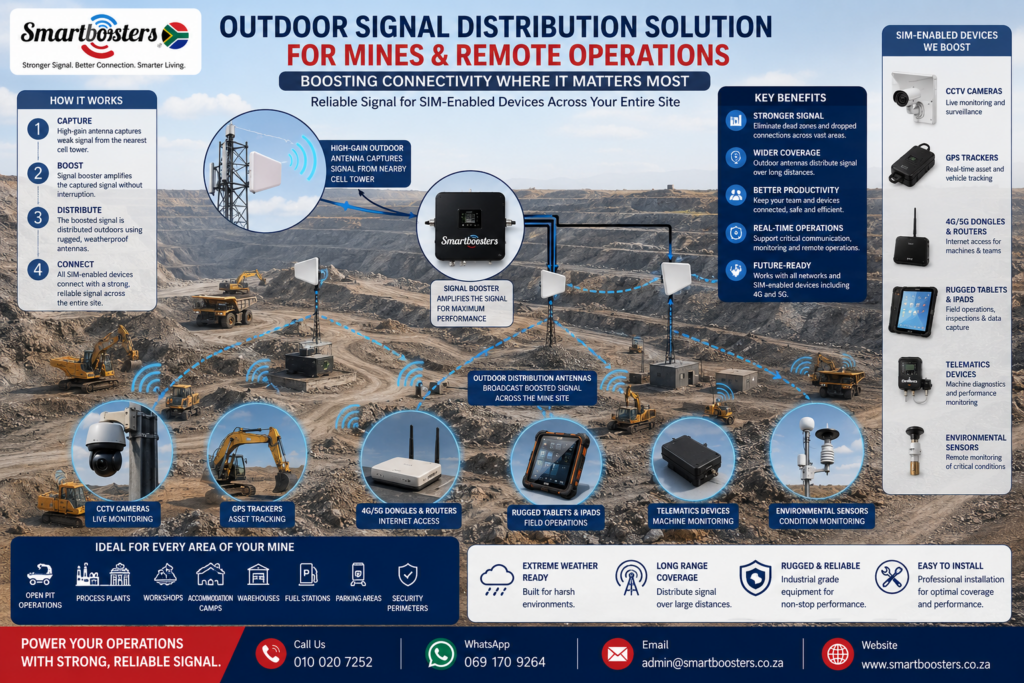
Businesses rely on SIM-enabled routers to provide instant internet access without waiting for fixed-line installation. Logistics companies depend on SIM-based GPS trackers to monitor fleets in real time. Security systems use SIM cards to transmit alerts even if local internet fails. These are not edge cases; they represent core operational functions across industries.
Mobility Without Limits: A Key Driver of Demand
The global workforce has undergone a permanent shift toward flexibility. Remote work, hybrid offices, and mobile operations have redefined how connectivity is consumed. SIM-enabled devices align perfectly with this transformation because they eliminate dependence on fixed infrastructure.
A professional working from multiple locations does not need to rely on unsecured public Wi-Fi networks. A construction team operating in a remote area can deploy connectivity instantly using a SIM-enabled router. Emergency responders can maintain communication in disaster zones where traditional networks are compromised.
This level of mobility is not just convenient; it is a competitive advantage. Businesses that can operate without connectivity constraints are more agile, more responsive, and more resilient.
Security and Reliability in a High-Risk Digital Landscape
Cybersecurity concerns have elevated the importance of secure connectivity. Public Wi-Fi networks, while convenient, are often vulnerable to interception, data breaches, and unauthorized access. SIM-enabled connections, on the other hand, operate through encrypted carrier networks that provide a higher level of protection.
For financial transactions, sensitive communications, and enterprise operations, this added layer of security is critical. Organizations are increasingly prioritizing cellular connectivity as a safer alternative to open networks, particularly for remote employees and mobile teams.
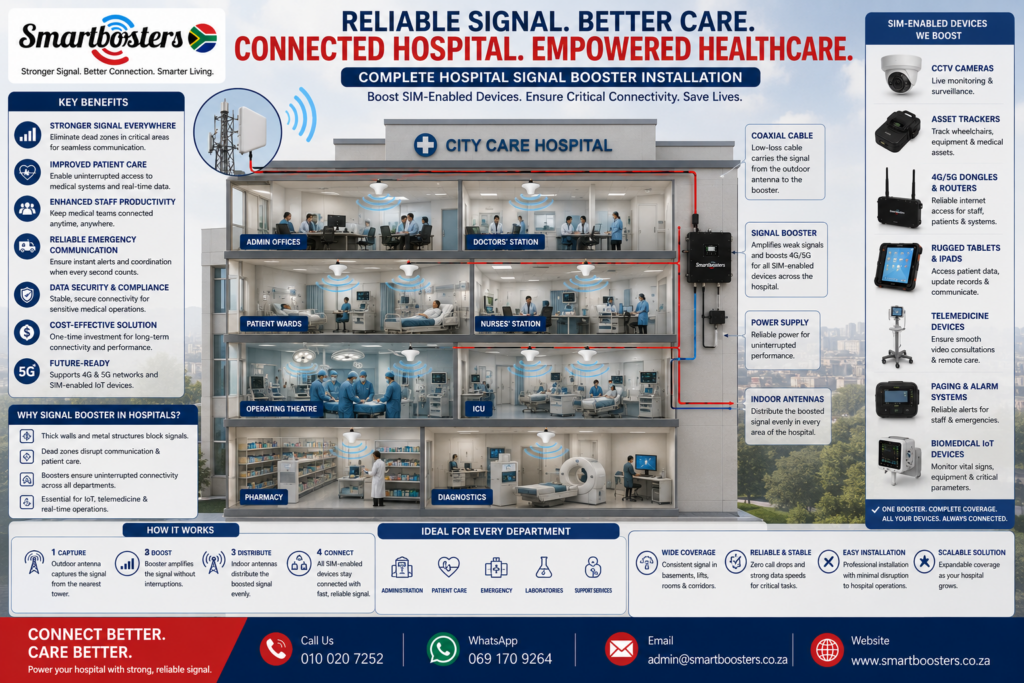
Reliability is equally important. SIM-enabled devices are not affected by local network outages in the same way as Wi-Fi. If a broadband connection fails, a SIM-based backup can keep systems running without interruption. This redundancy is essential for businesses that cannot afford downtime, including healthcare providers, financial institutions, and e-commerce platforms.
The Explosion of IoT and Machine-to-Machine Communication
The growth of the Internet of Things has further cemented the relevance of SIM-enabled technology. Billions of devices worldwide rely on cellular connectivity to transmit data, often in locations where Wi-Fi is not available.
Smart meters, environmental sensors, agricultural monitoring systems, and connected vehicles all depend on SIM cards to function effectively. These devices require constant, low-latency communication, and cellular networks provide the infrastructure needed to support them at scale.
As industries continue to digitize, the demand for SIM-enabled IoT devices is expected to grow exponentially. This trend is already reshaping sectors such as transportation, energy, healthcare, and manufacturing.
Why Weak Signal Remains a Critical Challenge
Despite the advantages of cellular connectivity, signal strength can vary significantly depending on location, building materials, network congestion, and distance from cell towers. Urban environments with dense infrastructure can block signals, while rural areas may suffer from limited coverage.
Weak signal does more than cause inconvenience. It reduces data speeds, increases call drops, drains device batteries, and disrupts critical operations. For businesses, this can translate into lost productivity, missed opportunities, and compromised customer experiences.
In residential settings, poor signal can affect everything from video streaming to remote work performance. In commercial environments, it can disrupt communication systems, payment processing, and cloud-based applications.
This is where signal boosters become not just useful, but essential.
How Signal Boosters Transform Cellular Performance
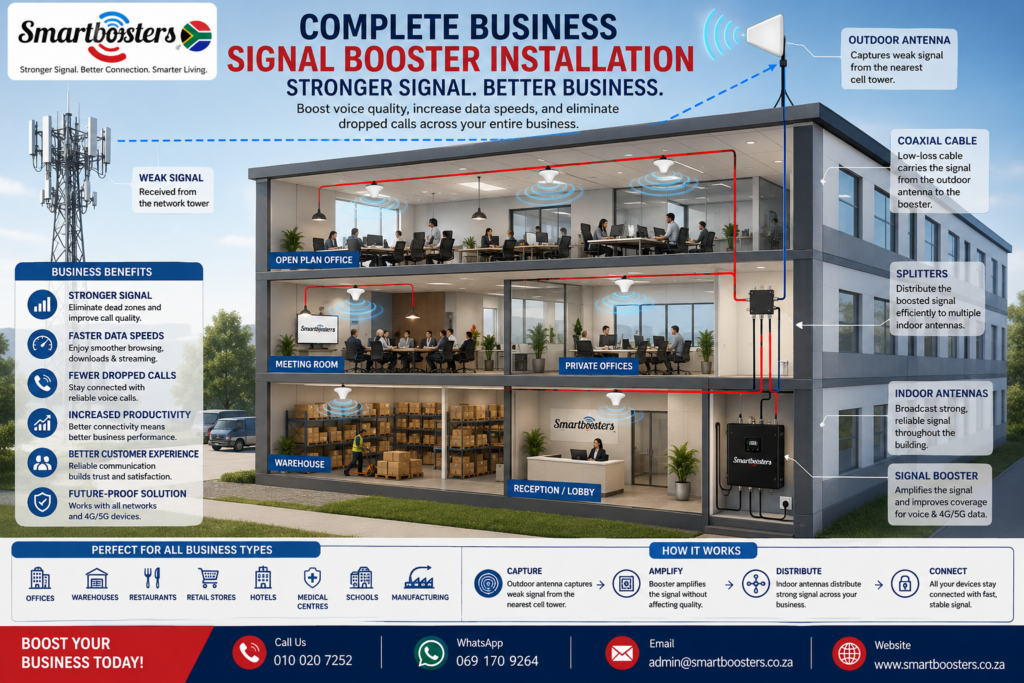
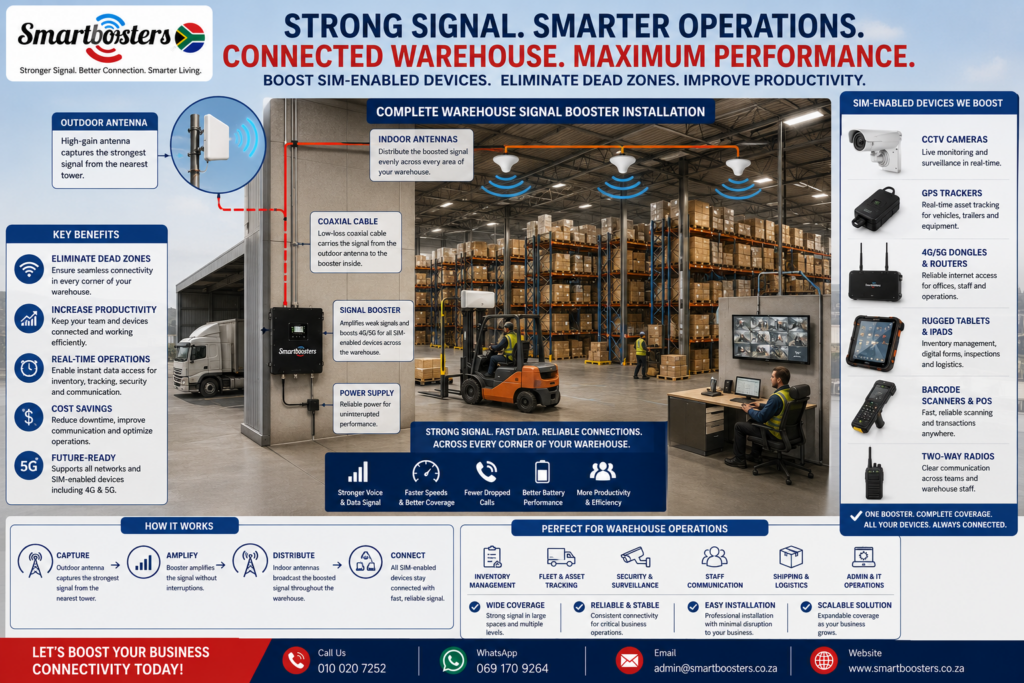
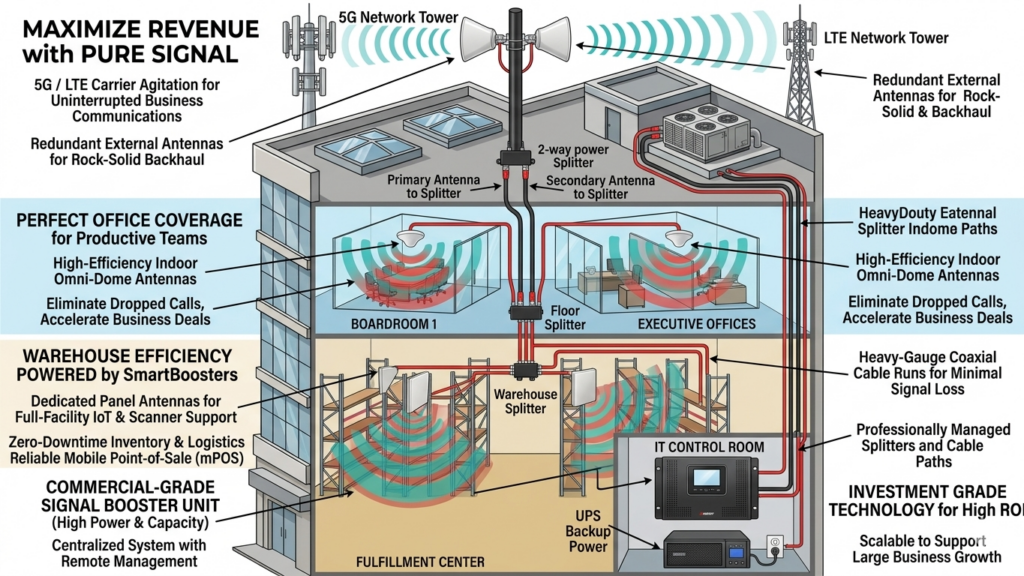
A signal booster, also known as a cellular repeater, is designed to enhance existing mobile signal rather than create a new one. It works by capturing weak signal from outside, amplifying it, and redistributing it within a specific area.
This process dramatically improves connectivity without requiring changes to the mobile network itself. The result is stronger signal strength, faster data speeds, and more reliable communication.
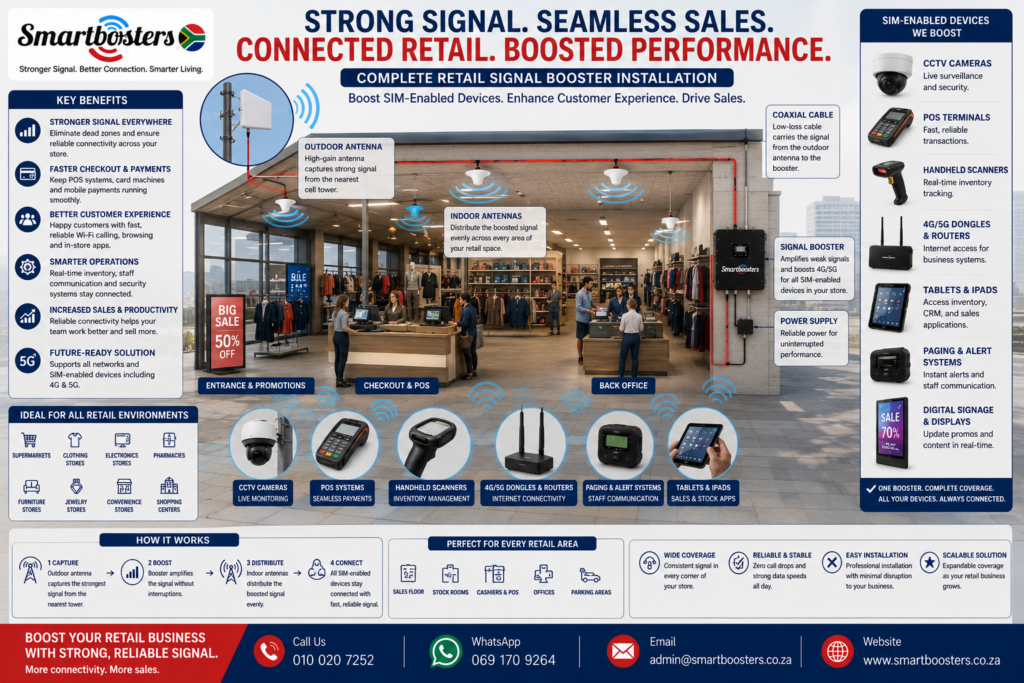
Signal boosters are used in homes, offices, vehicles, and industrial environments. They are particularly valuable in areas where signal is inconsistent but not entirely absent. By amplifying what is already available, they bridge the gap between poor and optimal performance.
The Business Case for Signal Boosters
For businesses, investing in a signal booster is not just about convenience; it is about performance and profitability. Reliable connectivity directly impacts operational efficiency, customer satisfaction, and revenue generation.
In retail environments, strong signal ensures that payment systems function without interruption. In offices, it supports seamless communication and cloud access. In logistics, it enables real-time tracking and coordination.
The cost of poor connectivity is often underestimated. Dropped calls, slow data, and unreliable systems can lead to missed deals, delayed decisions, and frustrated customers. A signal booster addresses these issues at the source, providing a consistent and dependable connection.
Enhancing Remote Work and Home Connectivity
The shift toward remote work has made home connectivity more important than ever. While many households rely on broadband internet, cellular connectivity often serves as a backup or supplementary option.
A signal booster ensures that this backup is reliable when needed. It also improves the performance of SIM-enabled devices such as mobile hotspots, tablets, and smartphones used for work.
In areas where broadband options are limited or unreliable, a SIM-enabled router combined with a signal booster can serve as a primary internet solution. This setup provides flexibility and resilience, allowing users to maintain productivity regardless of location.
Improving User Experience and Device Performance
Strong signal does more than enable connectivity; it enhances the overall user experience. Faster download and upload speeds make streaming, browsing, and communication smoother and more efficient.
Battery life is also improved because devices no longer need to expend extra energy searching for signal. This is particularly important for mobile users who rely on their devices throughout the day.

Voice quality benefits as well. Clear, uninterrupted calls are essential for both personal and professional communication. A signal booster reduces interference and stabilizes connections, resulting in better call quality.
The Future of SIM-Enabled Technology and Signal Enhancement
As 5G continues to expand globally, the importance of strong signal will only increase. Higher-frequency networks deliver exceptional speed but are more sensitive to interference and obstacles. This makes signal boosters even more valuable in maintaining consistent performance.
The integration of SIM-enabled technology into smart cities, autonomous systems, advanced healthcare, and next-generation logistics will further accelerate demand. These innovations depend on uninterrupted, real-time connectivity, making signal strength a mission-critical factor.
Signal boosters will continue evolving alongside these technologies, ensuring that users extract maximum value from cellular networks regardless of location.

Conclusion: A Technology That Continues to Lead
SIM-enabled devices remain popular because they deliver what modern users demand most: reliable, secure, and flexible connectivity. They are not limited by location, infrastructure, or access points, making them indispensable in a world that values mobility and resilience.
Signal boosters complement this technology by addressing its primary limitation—weak or inconsistent signal. Together, they create a powerful solution that ensures optimal performance across residential, commercial, and industrial environments.
For individuals, this means better connectivity and a superior digital experience. For businesses, it translates into increased productivity, improved communication, and stronger revenue potential.
In a connected world where performance is everything, SIM-enabled devices and signal boosters are not optional—they are essential.
Contact Smart Boosters
For expert advice, professional installations, and high-performance signal booster solutions tailored to your needs, contact Smart Boosters today:
Call Us: 010 020 7252
WhatsApp: 069 170 9264
Email: admin@smartboosters.co.za
Take control of your connectivity and eliminate weak signal for good.