


Weak mobile reception isn’t just an inconvenience — it’s a silent barrier that slows productivity, disrupts business, and disconnects people from the world they rely on. Behind every strong and reliable signal lies a single, often underestimated component: the antenna. It determines whether your calls stay clear, your data flows smoothly, and your booster delivers what it promises. The challenge isn’t simply buying one; it’s choosing wisely. Each antenna behaves differently, performs uniquely in specific environments, and demands precise installation. Understanding those differences is what separates frustration from flawless communication.
Understanding the Purpose of an Antenna
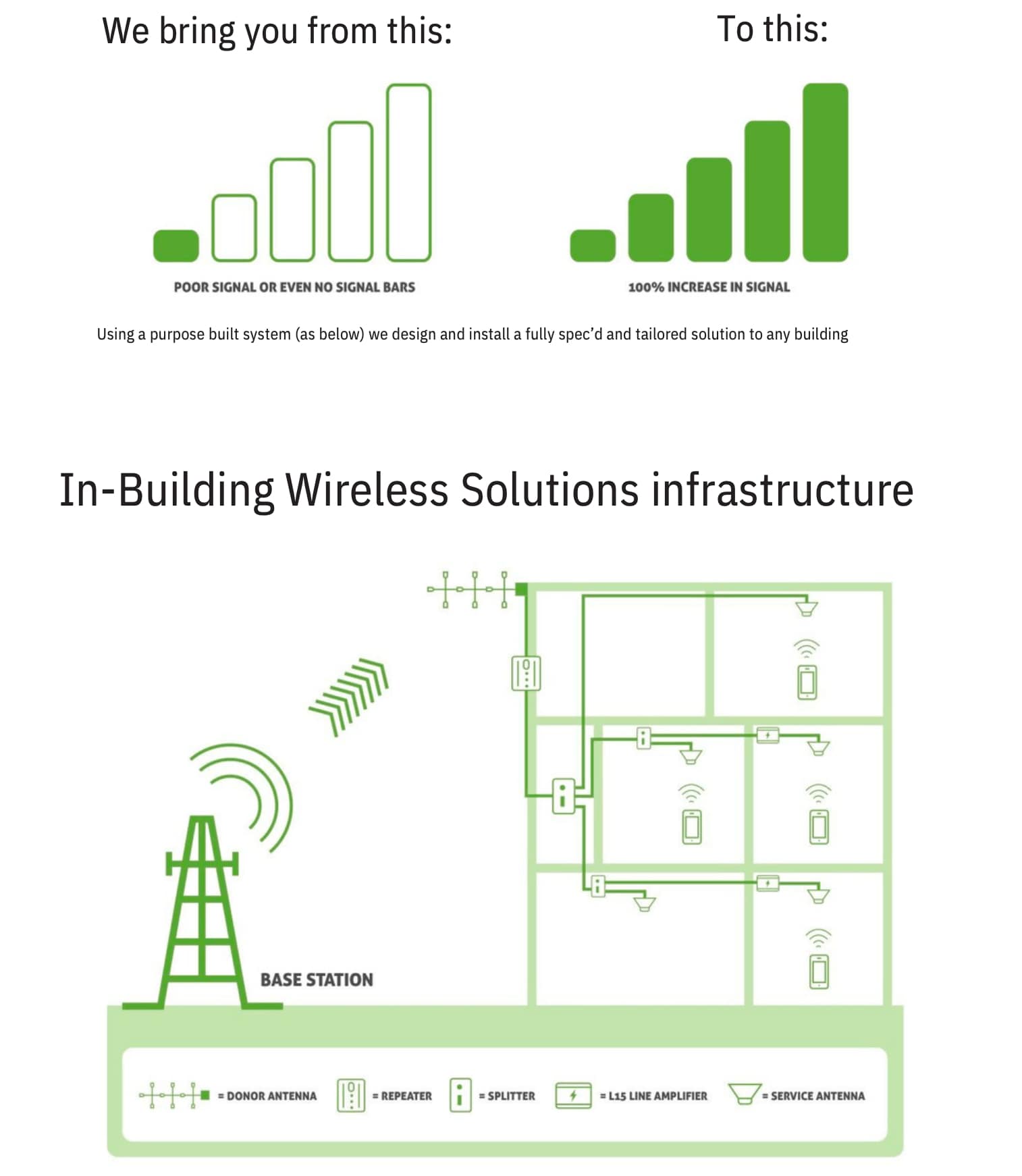
An antenna is the component responsible for sending and receiving radio frequency signals between your mobile device and the nearest network tower. In signal booster systems, antennas are the foundation of the entire setup. The outdoor antenna captures the existing mobile signal from the nearest cell tower, while the indoor antenna distributes the improved signal throughout your premises. If you install the wrong type of antenna, your amplifier may fail to deliver consistent results, leading to dropped calls, poor data speeds, or uneven signal coverage.
Indoor vs Outdoor Antennas
Indoor antennas are designed to distribute the amplified signal within enclosed spaces such as homes, offices, or warehouses. They are typically compact, aesthetically refined, and mounted on walls or ceilings. Their main function is to deliver strong and even signal distribution inside the building. Indoor antennas are available in various patterns and ranges, and choosing one depends on the building’s layout, number of floors, and wall thickness.
Outdoor antennas, on the other hand, are built to capture the incoming signal directly from the mobile network tower. They are mounted outside the building, often on rooftops, poles, or exterior walls, where signal reception is strongest. Outdoor antennas are constructed for durability and weather resistance. Their performance is critical to the overall efficiency of your booster system because they determine the strength and quality of the signal that will be amplified inside.
Directional vs Omni-Directional Antennas
Directional antennas, as their name suggests, focus on receiving and transmitting signals in a single, specific direction. They are engineered for maximum reach and efficiency when the nearest cell tower’s location is known. Because they concentrate power in one direction, they deliver higher gain and stronger signal strength over long distances. These antennas are ideal for rural areas, remote locations, or large properties where mobile towers may be several kilometres away. Proper alignment toward the tower is essential to achieve the best results.
Omni-directional antennas operate differently. Instead of focusing in one direction, they receive and broadcast signals in a full 360-degree pattern. They are more suitable for areas surrounded by multiple cell towers or for users located in urban or semi-urban regions where signal sources come from various directions. Omni antennas are easier to install because they do not require alignment. However, they generally offer slightly lower gain than directional models. The choice between directional and omni-directional antennas depends entirely on your location, the signal environment, and the type of coverage you require.
How to Select the Right Antenna for Your Needs
Choosing the correct antenna involves evaluating several practical factors. The first is determining where your existing mobile signal is strongest. Conduct a quick test by walking around your property with your phone in field test mode to check signal bars or dBm readings. The area with the highest strength is typically where the outdoor antenna should be installed.
If your property is located in a rural or mountainous area, or if the distance to the nearest cell tower exceeds several kilometres, a high-gain directional antenna is usually the best choice. It will capture even weak signals effectively when pointed accurately toward the tower. In contrast, if you live in a city, town, or industrial park surrounded by multiple towers, an omni-directional antenna will deliver balanced coverage without the need for alignment.
For indoor distribution, the type of antenna depends on the building layout. A panel antenna is effective for targeting a specific zone such as an office section or large room, while a ceiling dome antenna is ideal for uniform coverage across open-plan spaces. If you require multi-room coverage, multiple indoor antennas may be connected through splitters and cables to ensure even signal distribution throughout the building.
Installation Considerations
Antenna installation requires precision. Outdoor antennas must be mounted as high as possible, free from physical obstructions like walls, trees, or metal structures. The higher the antenna, the cleaner and stronger the signal capture will be. All cables should be kept short and of high quality to prevent signal loss. Weatherproofing is essential to protect connections from rain or corrosion.
Indoor antennas should be installed where people use their mobile devices most frequently. Avoid placing them near large electronic equipment or thick concrete barriers that could block signal transmission. If more than one antenna is used, maintain adequate separation between each unit to prevent feedback or oscillation within the system.
Proper grounding and secure mounting are also critical. A professionally installed system minimizes interference, improves stability, and extends equipment lifespan. Most signal booster suppliers or certified installers provide detailed guidance or installation support to ensure optimal performance.
Why the Right Antenna Matters
Investing in the correct antenna configuration is not merely a technical detail but a financial decision that directly affects your return on investment. A mismatched antenna setup can reduce booster efficiency by up to fifty percent, leading to wasted power, reduced coverage, and poor signal stability. By contrast, a properly matched directional or omni antenna can significantly enhance network reliability, data speeds, and voice clarity.
For businesses, stronger connectivity translates into improved customer communication, efficient operations, and better productivity. For homeowners, it means consistent coverage for calls, streaming, and data use. A well-designed antenna system ensures that every component—from the amplifier to the cable—operates at maximum potential, providing stable, high-quality mobile connectivity year after year.
Final Thoughts
Selecting the right indoor or outdoor antenna—directional or omni-directional—is the cornerstone of any successful signal improvement system. It determines whether your mobile signal booster will perform at professional standards or fail to meet expectations. By understanding how each type functions and by installing them correctly, you create a robust, high-performance communication environment that supports both present and future mobile technologies, including 4G LTE and 5G networks.
A carefully chosen antenna is not just hardware; it is the invisible link between your world and the digital infrastructure that keeps it connected. Choosing wisely ensures your investment delivers lasting results, strong signal coverage, and uninterrupted communication across every corner of your property.